Have you ever thought about simply moving to another country? I did just that and moved to the Costa Blanca in Spain 29 years ago. I’m sure you’re wondering what matters and what you need to bear in mind if you decide to do the same. I’d like to briefly tell you my story here and share my experiences with you.
Why did I move to Spain?
The reason I moved to Spain was actually because of my parents. At some point, my parents had the idea of living on the Costa Blanca in Spain once they retired, and they offered to let me come with them. They said I could stay with them until I’d found a job.
Back then, I had a job in Germany with lovely colleagues and a brilliant boss. But the more I thought about it, the more I felt drawn to Spain. I just wanted to try something new – to get to know a new country, its people and its culture. So I decided to move abroad.
Why Spain?
As described above, the reason was that my parents wanted to emigrate to Spain. However, I think Spain is simply a good country to emigrate to because you can get there by car from Germany. The mindset isn’t all that different from the German one. Of course, there are some differences. The climate is significantly milder in winter and there are far more sunny days in the year, although that has changed somewhat in recent years. Spain is a very beautiful and interesting country, both in terms of its landscape and culture. A great deal has also happened in terms of infrastructure in recent years; a lot of money has been invested.
The country is in a fairly good position economically and politically, and it is also safe. There are plenty of job opportunities at the moment. On the whole, the bureaucracy isn’t too bad either. I’d say the social security system is similar to that in Germany, although I think it’s even better in Germany. Emigrating to Spain is certainly easier than to some other countries. And finally, Spain is part of the European Union, which certainly makes immigration easier for Europeans.
Translated with DeepL.com (free version)
Things to bear in mind before emigrating.
The decision to emigrate to Spain – or indeed to any other country – needs to be carefully considered. Please don’t get me wrong. I don’t want to talk anyone out of it, but you do need to look at it with a critical eye. It’s not easy here either; you have to work hard and be flexible, but you can make it work and live well in Spain.
What’s important before emigrating:
Knowledge of Spanish – for example, gained through a Spanish course – is clearly an advantage. You don’t need to be fluent, but it’s a huge advantage; you’ll really find things easier right from the start if you know a bit of Spanish. Once you’re in Spain and spend a lot of time with Spanish people, you’ll learn it automatically and much more effectively. For me, the language is the most important thing – believe me, I know what I’m talking about.
Take some time to think about and find out what you want to do and work in Spain – whether as an employee or self-employed. What opportunities are available?
Start looking for work in advance. Perhaps you’ll be lucky enough to have a job lined up before you move to Spain, or ideally, you’ll be working from home – a role you can continue to do from Spain.
It’s also important to decide where you want to live – in which city – and whether you want to rent, which isn’t exactly easy as there aren’t many long-term lettings available, or whether you can buy a flat or a house.
Of course, it’s also important to have a financial cushion. You should be financially secure for at least a year or more, especially if things don’t go so well.
What should you do when you’re in Spain?
As I mentioned earlier, one of the most important things for me is to learn the language as quickly as possible – it makes so many things easier. I also made the mistake at the start of spending more time with Germans rather than Spaniards, which would have helped me learn the language more quickly.
Register with the relevant authorities, such as the town hall, social security, tax authorities, etc. I’d recommend hiring a tax adviser who’s familiar with all of this. There are plenty of German-speaking tax advisers here.
Look for work – even take on jobs you might not particularly like – just be flexible until you’ve found the right one. The important thing is to get into the system as quickly as possible.
Try to integrate as quickly as possible. In my opinion, the Spanish are quite relaxed about this. I never felt that the Spanish didn’t respect me or treated me like a foreigner. They’ve always respected me, and if you have a reasonable grasp of the language, you’re on a whole different level. But I think that’s the case in every country.
Life in Spain.
Life in Spain is quite good, even if not everything is easy. Unfortunately, the cost of living has also risen sharply in recent years. Whilst it’s still cheaper to live in Spain than in many other European countries, salaries here are also lower.
Property prices and rents have become very expensive. There are very few long-term lettings here, and when they are available, you can easily end up paying €800–1,000 plus service charges, which is a lot for many people here.
Food prices have also risen significantly here, as in many European countries.
Even though everything has become more expensive, if you’re hard-working and have a job, you can live well in Spain.
Working in Spain.
To be able to work in Spain, EU citizens must apply for a tax number – the so-called NIE – and a social security number. This isn’t difficult for citizens of EU member states. It’s best to engage a tax adviser.
The same applies to the self-employed, known as ‘autónomos’. They are also required to pay social security contributions, which I personally think is right.
If you’ve moved to Spain, you’ll also need to register your residence.
When I arrived in Spain, I immediately set up my own business and worked in the property sector. After a while, I also started taking on building work and renovations. Then, in 2007, the banking and financial crisis hit. Spain was in a bad way back then; there was very little work, many households were heavily in debt and many people lost their homes. I was lucky enough to get a job at a petrol station doing bookkeeping and working on the till. I worked there for three years and it really helped me to learn the language better. I can only recommend to everyone that they start by working for a Spanish company.
After that, I went back into business for myself and set up my property management company, Costa Blanca Hausservice, which is small but has been running quite well for years. We mainly manage holiday properties, mostly owned by Germans and Swiss. There’s always work to be had there. You can find more information here .......
As I said, the job market is quite good at the moment; there’s a high demand for workers, particularly in the service sector, the hospitality industry and the construction industry.
Bureaucracy in Spain.
Bureaucracy in Spain, as in other countries, can be very complicated and cumbersome at times, but there are also things that work very well and are straightforward. I would even go so far as to say that some things work better online here than, for example, in Germany. A lot has changed in recent years.
The culture and mentality of Spain.
Culturally, Spain has a great deal to offer. No matter where you go in Spain, you’ll find historic buildings, culinary delights and warm Spanish hospitality.
I find the Spanish way of life very laid-back. I also think that Spaniards have become even more open towards foreigners in recent years. You feel welcome amongst the Spanish – at least, that’s the impression I get.
Advantages in Spain.
The climate, particularly on the Costa Blanca and in Andalusia
The Spanish way of life – welcoming to foreigners
Spain has a lot to offer culturally
Plenty of leisure activities
Culinary delights
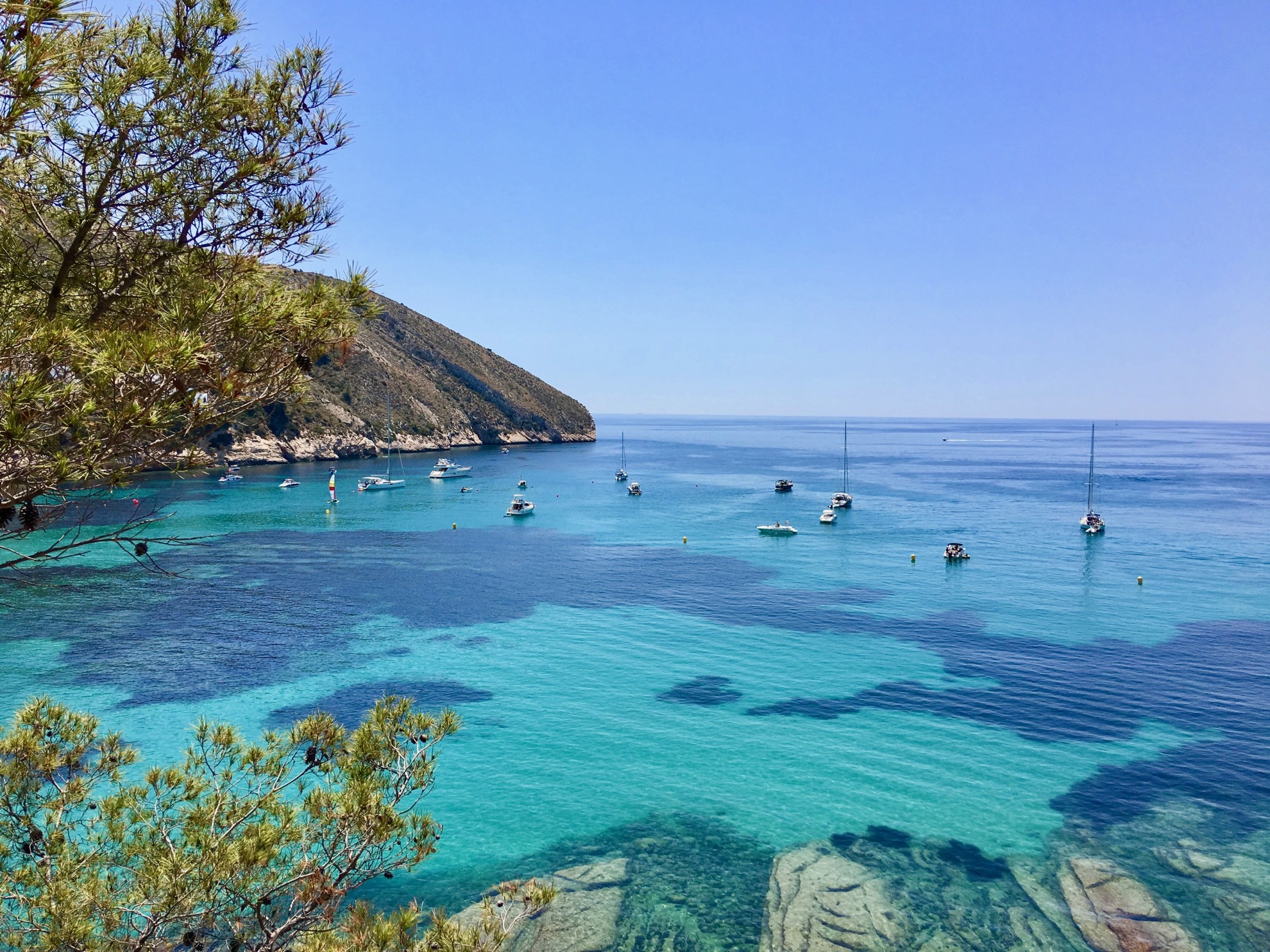
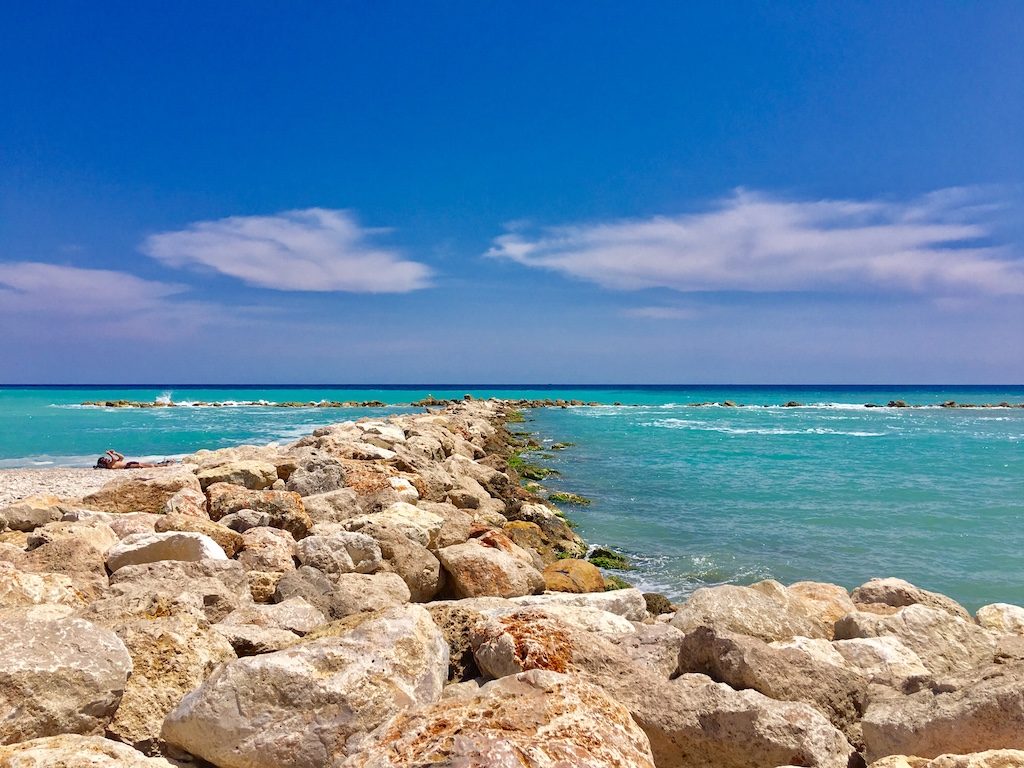
Stunning landscapes and beaches
Wonderful fiestas, such as the Fallas
Good infrastructure
Still slightly cheaper than other EU countries
Currently economically and politically stable and safe
Bureaucracy is, in some respects, simpler
It is easy for EU citizens to live and work in Spain
Disadvantages in Spain.
Here in Spain, too, the bureaucracy can be a bit of a hassle at times
Despite there being plenty of job opportunities, you have to be flexible and work hard.
Different language
The social security system isn’t quite as good as in Germany
Lower wages
Would I move back to Spain?
YES! A resounding yes. Even though it wasn’t easy, I’d do it again, but I’d do a few things differently.
My conclusion.
Yes, I can recommend moving to Spain. But you need to realise that it’s not easy and that you need to be patient and flexible. It’s something you should think through carefully. Not everything is perfect in Spain; just like in any other country, there are pros and cons. But you can make it work, and then you’ll have a good life in Spain.
Thank you for your interest, and if you’re thinking of moving there, I wish you every success.
Warm regards from Spain,
Marcelle
Contact
Do you have any questions or would you like to write a comment?













.jpg)